
On this page
What international education consultants cover · How education systems differ between countries · Checking recognition and accreditation · What international students should know before they go · How our international education consultants work · Credits, transfers and moving between systems · English-taught programmes in non-English-speaking countries · Building a global shortlist without losing focus · International education consultants and Indian students · Frequently asked questions
What international education consultants cover
The word international signals breadth. International education consultants understand more than one national system, so they can explain why a three-year degree in one country differs from a four-year degree in another, how credits transfer and why an English-taught programme in a non-English-speaking country may follow different rules from one in the UK or US.
That breadth is useful when you are choosing between very different destinations such as a Baltic state, an island nation and an East Asian hub. Our page on foreign education consultants covers the related question of what happens when you return and use a foreign degree in India.




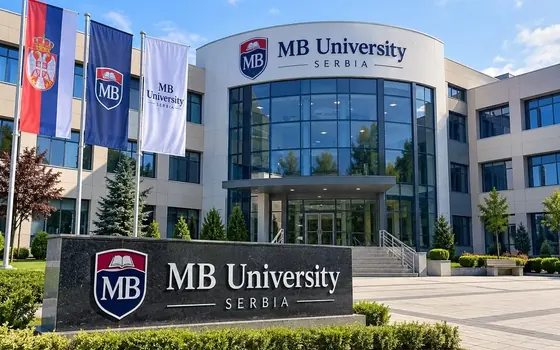
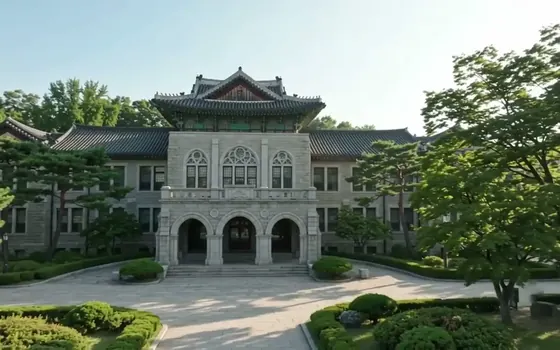
How education systems differ between countries
- Degree length. Bachelor programmes can run three or four years, and master's programmes one or two.
- Teaching style. Some systems emphasise lectures and exams, others projects and continuous assessment.
- Language. Instruction may be in English or the local language, sometimes with a preparatory year.
- Entry requirements. Subject prerequisites, entrance tests and English evidence vary widely.
- Intakes. Many universities run one main intake, some run two or more.
Our destinations page summarises how our eight countries compare.
Checking recognition and accreditation
Never assume a university is recognised because a consultant says so. Check three things: that the institution is officially accredited in its own country, that the specific programme is approved and that the degree will be accepted for your intended purpose, such as further study or a regulated profession. Regulated fields such as medicine and engineering have their own rules, so confirm them with the relevant authority before you commit. A trustworthy international consultancy helps you gather this evidence and encourages you to verify it.
Want advice on your own profile?
A 15-minute conversation can narrow your country, course and budget. It is free, with no commitment.
Call NowWhat international students should know before they go
- Visa conditions, including work limits and proof of funds
- Health insurance and how healthcare works locally
- Accommodation options and approximate rent
- Banking and how to receive money from India
- Support services at the university for international students
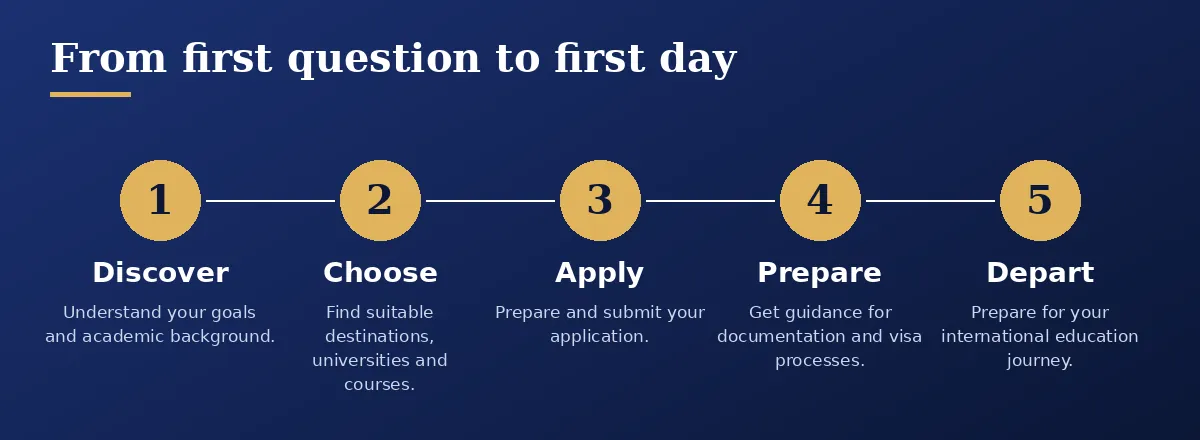
Our process builds these into the pre-departure stage, so they are handled before you fly.
How our international education consultants work
Perspective Education Group Pvt Ltd advises students on eight destinations and works with partner colleges and universities in Cyprus, Mauritius and Serbia. We assess your profile, compare countries, shortlist universities, support applications and guide visa preparation. Our services are described in plain terms, and our universities page lists tuition and scholarships. For the nuts and bolts of how a firm like ours is organised, read about the overseas education consultancy.
Credits, transfers and moving between systems
International education consultants should be able to explain how credits work in different systems and whether you could transfer between institutions or countries later. Some systems use a standard credit framework that makes transfer easier, others assess each case individually. If you think you may change universities or return to India for part of your studies, ask about this before you enrol. It is much harder to fix after you start.
English-taught programmes in non-English-speaking countries
Many of our destinations offer degrees taught in English even though the local language is different. This opens up affordable and interesting options, but it also means daily life outside the classroom may involve another language. Consultants should explain whether the language of instruction is English for the entire programme, whether a preparatory year is required and how much of the local language you will need for part-time work or daily life. Our Cyprus, Serbia and Latvia pages describe how this works in practice.
Building a global shortlist without losing focus
A global view can make the choice harder, because there are simply more options. The way through is to rank your priorities, such as cost, language, course quality, safety and career fit, and let them eliminate options until two or three remain. We then compare those in depth and use real tuition and living costs. Our total cost of studying in Europe and cheapest countries to study abroad guides show how to do this comparison.
International education consultants and Indian students
Indian students bring particular questions: how Indian board marks convert, what English-test scores are expected, how to show funds in rupees and how to manage family expectations. Our team works with these every week. If you want to see our approach in a specific state, start with the best study consultant in India hub.

Frequently asked questions
What do international education consultants do?
They advise students on studying in other countries, covering country and course choice, applications, documents and visas, using knowledge of several education systems.
How are international education consultants different from local ones?
They are not necessarily different in role, but they work across systems and can compare countries rather than focusing on one.
How do I check a foreign university is recognised?
Verify accreditation with the institution's national authority, confirm the programme is approved and check that the degree is accepted for your intended purpose, including any regulated profession.
Do all countries use the same degree length?
No. Bachelor and master's programmes differ in length by country and field. Your counsellor should explain the structure of each option.
Can international education consultants help with English tests?
They can advise on which tests and scores each university accepts and point you to preparation resources. The tests themselves are run by separate bodies.
Which countries do you advise on?
Russia, Cyprus, Malta, Mauritius, Serbia, Latvia, Singapore and South Korea.
Can you guarantee admission or a visa?
No. Universities and government authorities make those decisions. We guide you and never promise results.
Is there a charge for the first consultation?
No. It is free, with no commitment.
Do international education consultants help with student housing?
They advise on options and typical costs as part of pre-departure support. Arrangements depend on the university and city, so confirm with the institution.
Can I transfer between countries after starting a degree?
Sometimes, but it depends on both institutions and on how credits are assessed. Ask before you enrol.