
On this page
What does a study abroad expert actually know? · Four areas of expertise that matter · How to test a claim of expertise · The expertise behind Perspective Education Group · The limits of any expert · Official sources every expert should point you to · Keeping knowledge current · Why a team of experts beats a single expert · Specialist subjects within study abroad · Speak to our team · Frequently asked questions
What does a study abroad expert actually know?
Expertise in study abroad is practical rather than academic. It is knowing which intakes a country uses, how long a typical application takes, what a visa file must contain, how living costs differ between cities and where students commonly go wrong. It also includes knowing what you do not know and saying so. Our overview of study abroad consultants explains the wider role.

Four areas of expertise that matter
- Destination knowledge. Costs, intakes, study style, work rules and daily life in each country.
- Admissions knowledge. Entry requirements, deadlines, offer types and how universities assess applications. See overseas admission consultants.
- Visa and documentation knowledge. The documents, formats and steps for each embassy or immigration process.
- Funding knowledge. Budgets, proof of funds, loans, sponsors and scholarships.
A single person is rarely strong in all four, which is why a team often serves students better. Read how teams are structured in the overseas education consultancy guide.
How to test a claim of expertise
- Ask for the typical total yearly cost in a specific city, then compare it with the university's own figures.
- Ask which intake suits your profile and why.
- Ask what documents the visa file needs and where to check them officially.
- Ask what could go wrong with your plan.
- Ask for sources, and notice whether the answer points you to official ones.
A real expert gives specific answers, cites sources and admits uncertainty. Use the scorecard to turn the answers into a comparison.
Want advice on your own profile?
A 15-minute conversation can narrow your country, course and budget. It is free, with no commitment.
Call NowThe expertise behind Perspective Education Group
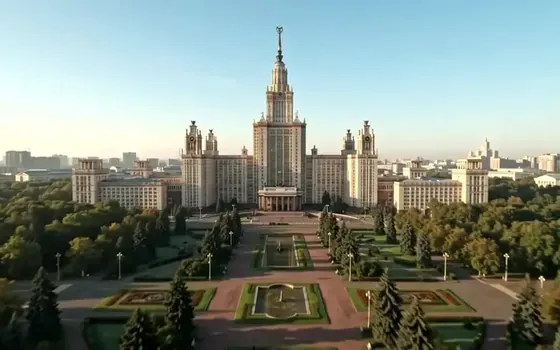
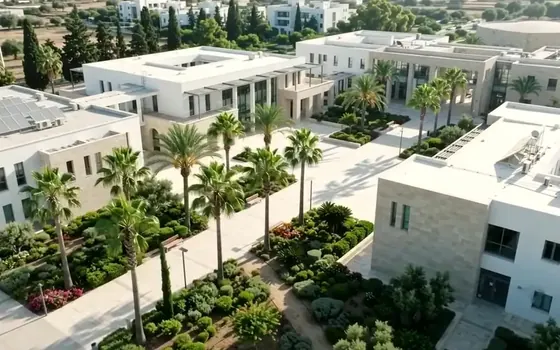
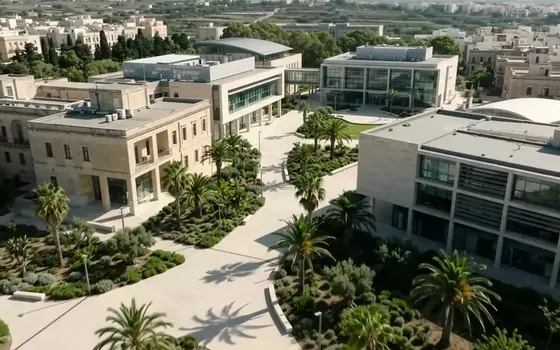
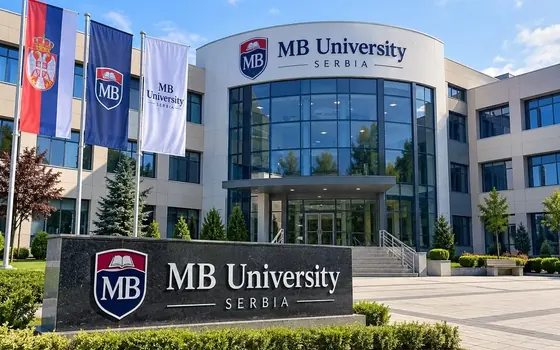
Our team brings counselling, admissions, marketing, student relations and operations under one roof in Noida. We guide students on Russia, Cyprus, Malta, Mauritius, Serbia, Latvia, Singapore and South Korea and work with partner colleges and universities in Cyprus, Mauritius and Serbia. Meet the people on our About page.
The limits of any expert
No expert controls admission or visa decisions. Rules and fees change, sometimes quickly. The honest approach is to give you the current best understanding, tell you where to verify it and update you as things change. We say plainly that we cannot guarantee admission or visas, and we encourage you to confirm every important detail with the university and the relevant authority.
Official sources every expert should point you to
An expert does not ask you to trust them blindly. They direct you to official sources: the university's own website and international office for entry requirements and fees, the embassy or immigration authority for visa rules, and relevant regulators for professional recognition. They also explain how to read those sources and what to watch for when they change. Learning to check these yourself is the best protection you can have, and we encourage it.
Keeping knowledge current
Study abroad rules change, sometimes with little notice. Intake dates shift, fees rise, visa processes are revised and work rules are updated. Real expertise therefore includes a habit of checking. Our team reviews university information regularly, and we tell students plainly when something has changed and what it means for them. If a consultant quotes figures without a date or source, ask where they come from.
Why a team of experts beats a single expert
A single expert may know one country very well but be less informed about others. A team can cover several destinations and functions, and checks one another's work. That is why we describe our structure on the overseas education consultancy page and why you can meet several people on our About page. When you ask a question, the person who answers should either know the answer or know who does.
Specialist subjects within study abroad
Within study abroad there are specialist subjects, and it helps to match your question to the right expertise. Medicine and health courses involve regulatory rules and licensing. Engineering and technology involve accreditation and practical training. Business and management involve work experience and professional links. Design, hospitality and creative courses involve portfolios and placements. When your plan sits in one of these areas, ask the consultant what experience they have with similar students and what went well or badly. Browse our courses to see the subject areas we cover.
Specialist knowledge also applies to certain destinations. Each of our eight countries has its own admission calendar, visa process and student life, which is why we keep country guides such as Malta, Mauritius and South Korea current.
Speak to our team
You can test our knowledge with a free first consultation by phone, WhatsApp or at our Noida office. For one-to-one guidance on your profile, see study abroad advisors, and for stage-wise help, visit study abroad guidance.

Frequently asked questions
Who are study abroad experts?
People with practical, checkable knowledge of destinations, admissions, visas and funding who advise students honestly.
How can I tell a real expert from a salesperson?
Real experts give specific answers, cite official sources, discuss risks and admit uncertainty. Salespeople give guarantees and pressure you.
Do study abroad experts know every country?
Rarely. Many specialise. Ask which destinations a person knows well and what experience supports that.
Can study abroad experts guarantee success?
No. Admissions and visas are decided by others.
Which countries does your team know?
Russia, Cyprus, Malta, Mauritius, Serbia, Latvia, Singapore and South Korea.
Do experts help with visa documents?
They can guide you on documents and steps. The visa decision rests with the authority.
How do rules change over time?
Entry rules, fees and work conditions change. A good expert tells you where to verify the current position.
Is a first consultation free?
Yes, with no commitment.
Where should I verify an expert's information?
On the university's official website and with the relevant embassy or authority. A good expert will tell you where to look.
Do experts charge more?
Not necessarily. Fees reflect a firm's model, not the depth of its knowledge. Ask for written terms and compare.